Colorado Heat Cable provides the specialized service of heat cable installation. We will provide a free quote and answer any questions you may have throughout the process. We will teach you how to use your customized system and leave you with peace of mind knowing your home is protected from ice dams and other winter damages.
Our heat cable professionals are trained and knowledgeable on the products we use.
Why do I need heat cable?
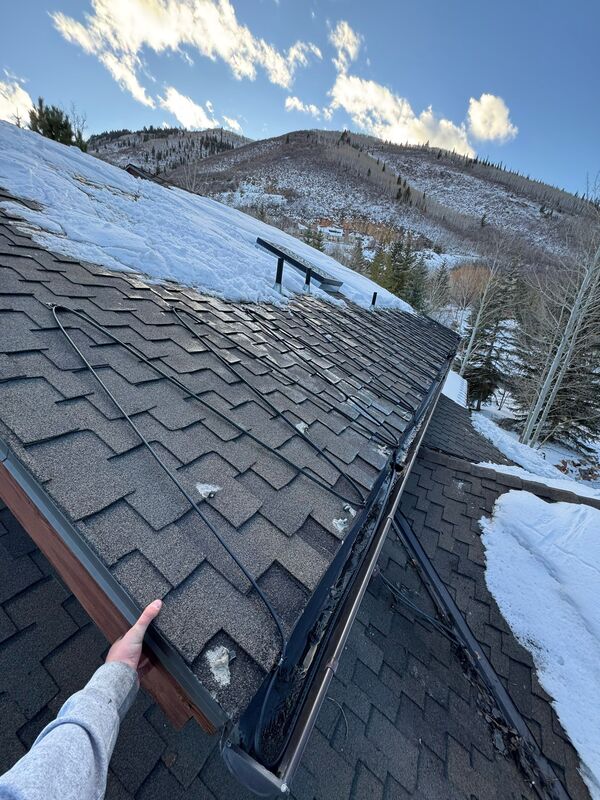
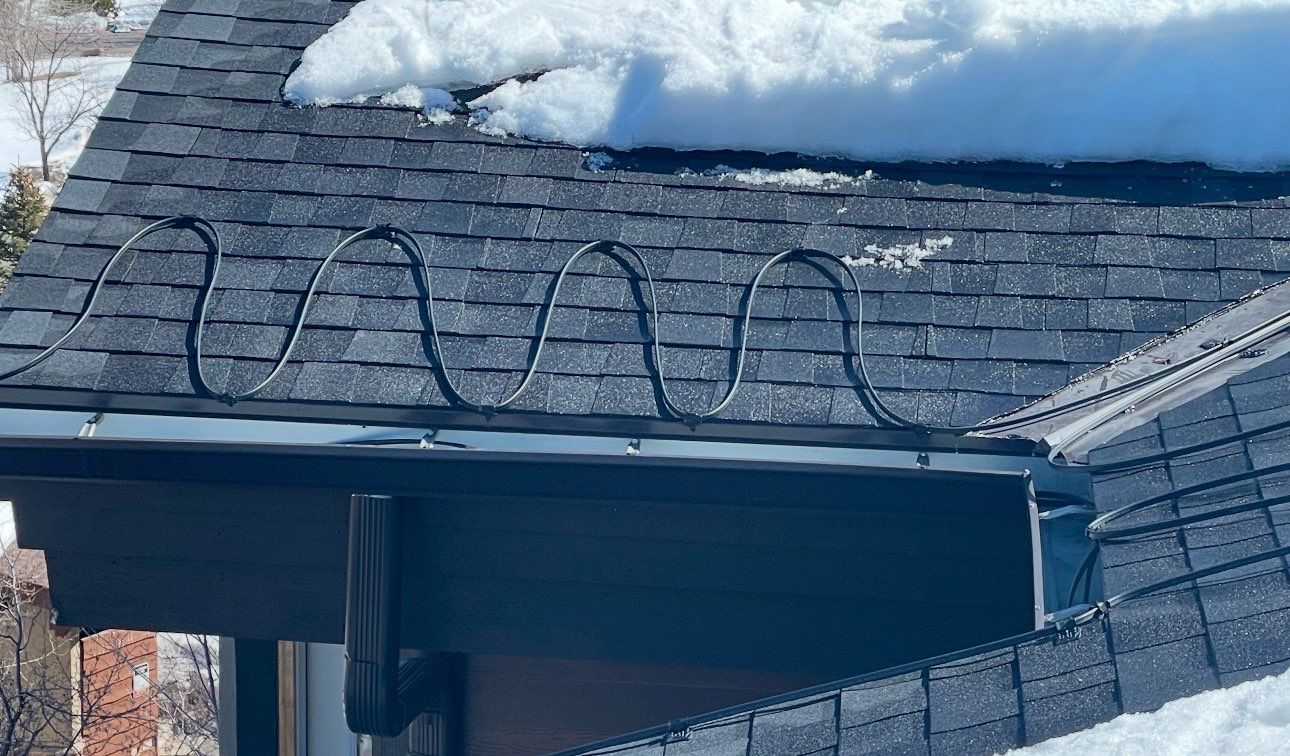
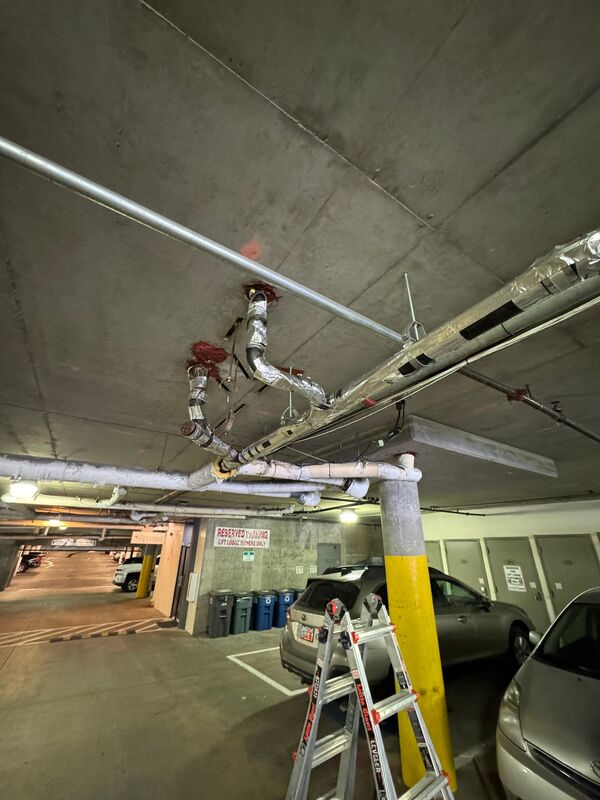
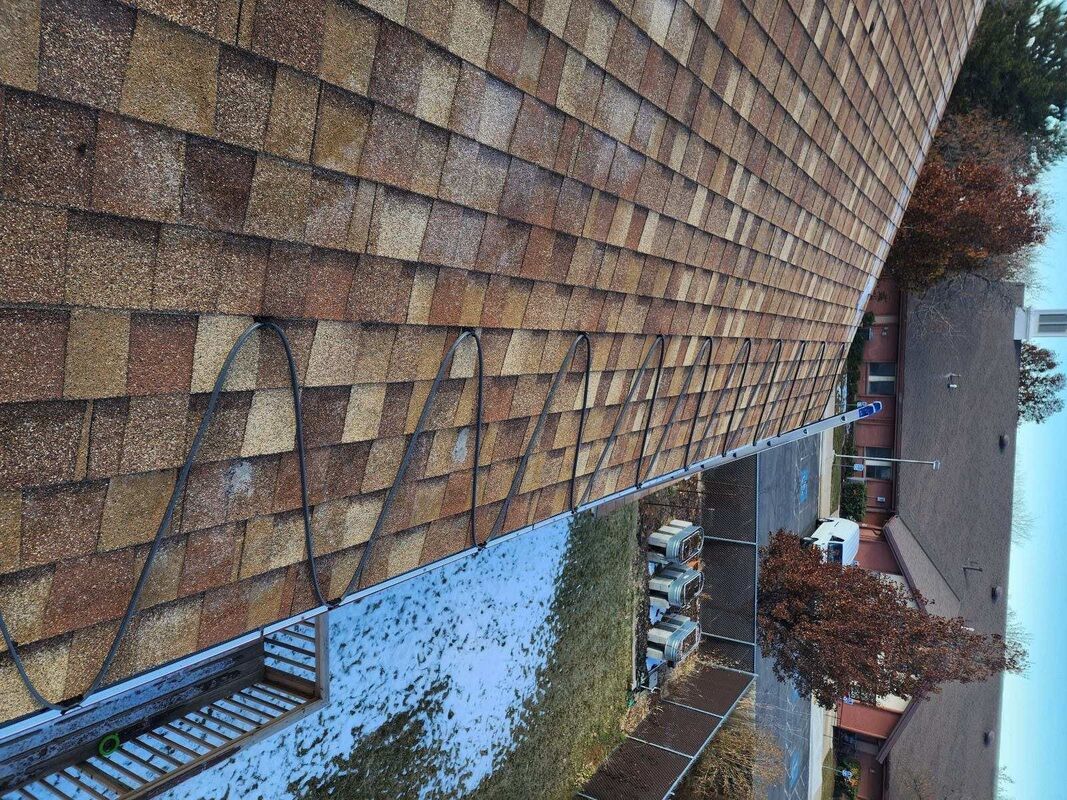
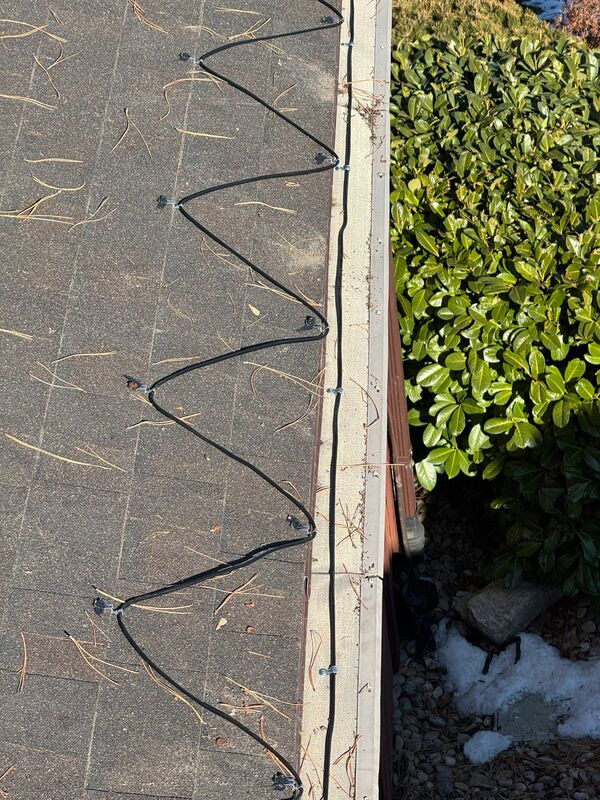
Heat cable is used in many applications around the home, and around commercial buildings. Heat cable is used in driveways and walkways to electrically heat the surrounding concrete during the winter to mitigate ice formations. The main goal of this is to prevent people and vehicles from slipping. Heat cable is also on exterior pipes to prevent freezing. This is more commonly called "pipe trace". The pipe trace is typically applied to the exterior pipe using a special insulated duct tape to more efficiently direct the heat into the pipe rather than out into the surrounding air. Frozen pipes can burst and cause bigger problems such as structural damage or property damage. Heat cable is also used on roof and gutter surfaces. Heat cable is typically placed on the eave of a roof in a zig zag patter to melt ice and give water a path off of the roof. Heat cable properly installed in this manner is used to prevent ice dams. However, the water that melts from the eave and drains into a gutter system will refreeze unless the gutter system is also fitted with heat cable. If a heat cable system does not provide the water a proper path off of the roof and onto the ground, ice may form in overlooked areas and could potentially cause further damage to the roof and gutter systems.
Heat cable can be used jointly with snow retention, allowing the ice to slowly melt off the of snow retention and safely drain into the ground. The heat cable must be installed below the snow retention, otherwise the weight of the snow and ice will put too much strain on the cable and may damage it, leading to water getting into the cable and causing the whole system to short or operate inefficiently.
How is heat cable powered?
There are several ways to power a heat cable system. The simplest way is to plug the cable into an outlet. This is simple but can be inefficient when you find yourself forgetting to unplug it. There are thermostats that can be used to toggle the system on and off at a specific temperature, effectively automating your system. Outlets can get water in them and erode, and sometimes the outlet is connected to other outlets in the home that are being used, and the heat cable will overload that circuit. Sometimes the circuit is only a 120-volt circuit, but we need 240-volts to properly operate a longer run of heat cable, so a circuit needs to be converted from 120 to 240 volts. Sometimes the only option is to run a new specialized circuit, or even a new electrical service if the heat cable run is long enough. Another factor to consider is the type of breaker in your breaker panel that the heat cable system will be on. Self-regulating heat cables typically require a GFEP breaker that allows for a bigger inrush of amperage. When you first power on a self-regulating heat cable system, the initial inrush of amperage is larger, as it needs more energy to heat up initially, then over time it settles to a lower amperage after the cable gets to the right temperature. GFEP breakers are less likely to trip with a self-regulating heat cable system. However, if the temperature outside is cold enough, a GFEP breaker may still trip over and over again until the heat cable is sufficiently heated, and the inrush of amps is not too large. If a self-regulating heat cable is installed don a circuit that has GFCI protection, it will cause a "nuisance trip". GFCI breakers do not have a tolerance threshold like a GFEP breaker does. As a result, when the large inrush of amps comes due to the cold heat cable, a GFCI will reliably trip, causing the heat cable to not work. GFCI protection is now very commonly found in outlets around a home. GFCI breakers can also be found in a panel. Standard breakers are recommended only for a small amount of constant wattage heat cable like Easy Heat. Each brand of heat cable has its own guidelines for installation. Muti-circuit heat cable runs can become a bit tricky for the untrained. They require a more advanced system that may need more complex electrical components such as relays, terminal blocks, contactors, and more. For a larger commercial project, these custom controller boxes allow project managers to easily toggle a system on and off and even automate it with a thermostat.
Our heat cable systems can be configured in any number of ways. Some homes have eave outlets for Christmas lights that we can use and convert to a heat cable system. Some newer homes have dedicated heat cable circuits specifically for... heat cable. Most homes have exterior outlets that can be used and converted to heat cable circuits. Most homes also have A/C units that we can splice into for larger runs of heat cable that require more voltage. Don't worry, your A/C will still work as normal, and will not be affected by the heat cable system being added. As always, you can call us with any questions.
Our heat cable professionals are trained and knowledgeable on the products we use.
Why do I need heat cable?
Heat cable is used in many applications around the home, and around commercial buildings. Heat cable is used in driveways and walkways to electrically heat the surrounding concrete during the winter to mitigate ice formations. The main goal of this is to prevent people and vehicles from slipping. Heat cable is also on exterior pipes to prevent freezing. This is more commonly called "pipe trace". The pipe trace is typically applied to the exterior pipe using a special insulated duct tape to more efficiently direct the heat into the pipe rather than out into the surrounding air. Frozen pipes can burst and cause bigger problems such as structural damage or property damage. Heat cable is also used on roof and gutter surfaces. Heat cable is typically placed on the eave of a roof in a zig zag patter to melt ice and give water a path off of the roof. Heat cable properly installed in this manner is used to prevent ice dams. However, the water that melts from the eave and drains into a gutter system will refreeze unless the gutter system is also fitted with heat cable. If a heat cable system does not provide the water a proper path off of the roof and onto the ground, ice may form in overlooked areas and could potentially cause further damage to the roof and gutter systems.
Heat cable can be used jointly with snow retention, allowing the ice to slowly melt off the of snow retention and safely drain into the ground. The heat cable must be installed below the snow retention, otherwise the weight of the snow and ice will put too much strain on the cable and may damage it, leading to water getting into the cable and causing the whole system to short or operate inefficiently.
How is heat cable powered?
There are several ways to power a heat cable system. The simplest way is to plug the cable into an outlet. This is simple but can be inefficient when you find yourself forgetting to unplug it. There are thermostats that can be used to toggle the system on and off at a specific temperature, effectively automating your system. Outlets can get water in them and erode, and sometimes the outlet is connected to other outlets in the home that are being used, and the heat cable will overload that circuit. Sometimes the circuit is only a 120-volt circuit, but we need 240-volts to properly operate a longer run of heat cable, so a circuit needs to be converted from 120 to 240 volts. Sometimes the only option is to run a new specialized circuit, or even a new electrical service if the heat cable run is long enough. Another factor to consider is the type of breaker in your breaker panel that the heat cable system will be on. Self-regulating heat cables typically require a GFEP breaker that allows for a bigger inrush of amperage. When you first power on a self-regulating heat cable system, the initial inrush of amperage is larger, as it needs more energy to heat up initially, then over time it settles to a lower amperage after the cable gets to the right temperature. GFEP breakers are less likely to trip with a self-regulating heat cable system. However, if the temperature outside is cold enough, a GFEP breaker may still trip over and over again until the heat cable is sufficiently heated, and the inrush of amps is not too large. If a self-regulating heat cable is installed don a circuit that has GFCI protection, it will cause a "nuisance trip". GFCI breakers do not have a tolerance threshold like a GFEP breaker does. As a result, when the large inrush of amps comes due to the cold heat cable, a GFCI will reliably trip, causing the heat cable to not work. GFCI protection is now very commonly found in outlets around a home. GFCI breakers can also be found in a panel. Standard breakers are recommended only for a small amount of constant wattage heat cable like Easy Heat. Each brand of heat cable has its own guidelines for installation. Muti-circuit heat cable runs can become a bit tricky for the untrained. They require a more advanced system that may need more complex electrical components such as relays, terminal blocks, contactors, and more. For a larger commercial project, these custom controller boxes allow project managers to easily toggle a system on and off and even automate it with a thermostat.
Our heat cable systems can be configured in any number of ways. Some homes have eave outlets for Christmas lights that we can use and convert to a heat cable system. Some newer homes have dedicated heat cable circuits specifically for... heat cable. Most homes have exterior outlets that can be used and converted to heat cable circuits. Most homes also have A/C units that we can splice into for larger runs of heat cable that require more voltage. Don't worry, your A/C will still work as normal, and will not be affected by the heat cable system being added. As always, you can call us with any questions.
Heat Cable or Heat Trace?
What's the difference between heat cable and heat trace? They refer to the same thing and are used interchangeably.